Locking USB-C Cables for Industrial Equipment: Ending Intermittent Drops
A plain USB-C plug is rated for 8 to 20 N of retention. On a vibrating machine that is not enough. How screw-lock and latch-lock differ, and how to verify them.
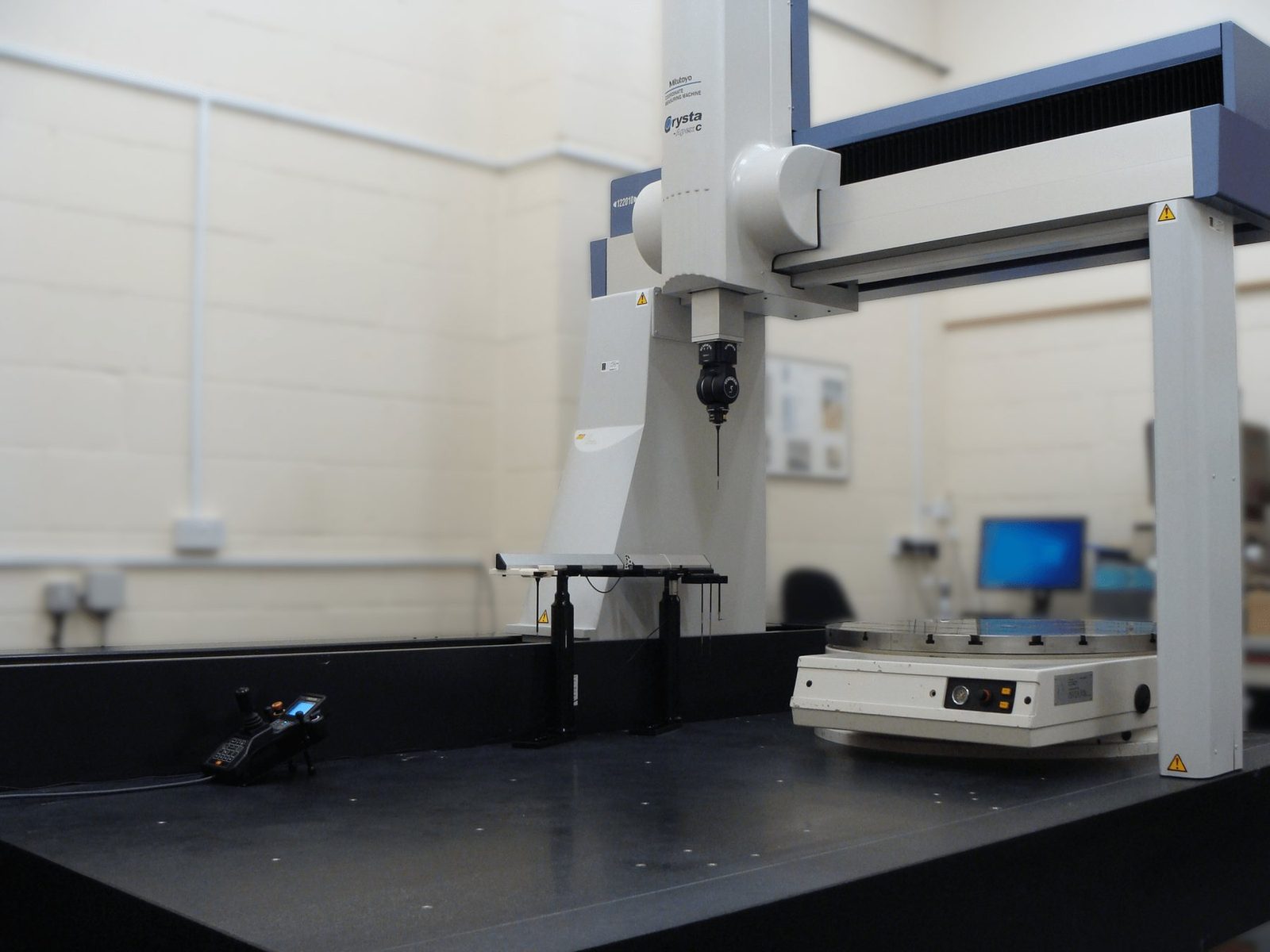
Inspection is only useful if it measures the features the design cares about. These articles cover first article inspection, CMM reports, material certificates and what a useful inspection plan looks like. 4 articles.
A plain USB-C plug is rated for 8 to 20 N of retention. On a vibrating machine that is not enough. How screw-lock and latch-lock differ, and how to verify them.
Build a fleet motorcycle maintenance schedule around break-in, kilometres, operating hours, inspections, spare-parts stock, uptime and service cost.
A buyer's guide to auditing how an industrial cable assembly is actually made and tested: wire prep, crimp vs solder, overmolding, shield termination, 100% electrical test, and the questions that separate a reliable cable builder from a cheap one.
A buyer's guide to what turns a raw molded part into a finished component: deflashing, painting and printing, ultrasonic welding and insert molding, plating, electronic assembly, and the quality checks that catch sink marks, flash and warpage before shipment.
The six molding defects that actually ship, what each one means about your tool and process, and the first fix to try before you reject a batch.
What an FAI actually verifies, what to send with it, and how to read the report when dimensions miss.
Inspection exists to make a decision possible, not to produce paperwork. The notes here are about making sure the measured values answer the question the design actually asked.
Tell us which dimensions are critical and what documentation the part needs. The inspection plan is agreed before the first cut, not after.