A quote is a set of assumptions
Every machining quote contains assumptions: material grade, quantity, tolerance, finish, inspection level and lead time. Two quotes that look different are usually built on different assumptions rather than on different efficiency.
The practical response is to read the assumptions before the number. If one quote assumes a general tolerance of +/- 0.1 mm and the other assumes +/- 0.02 mm, the price difference is a specification difference, not a supplier difference.
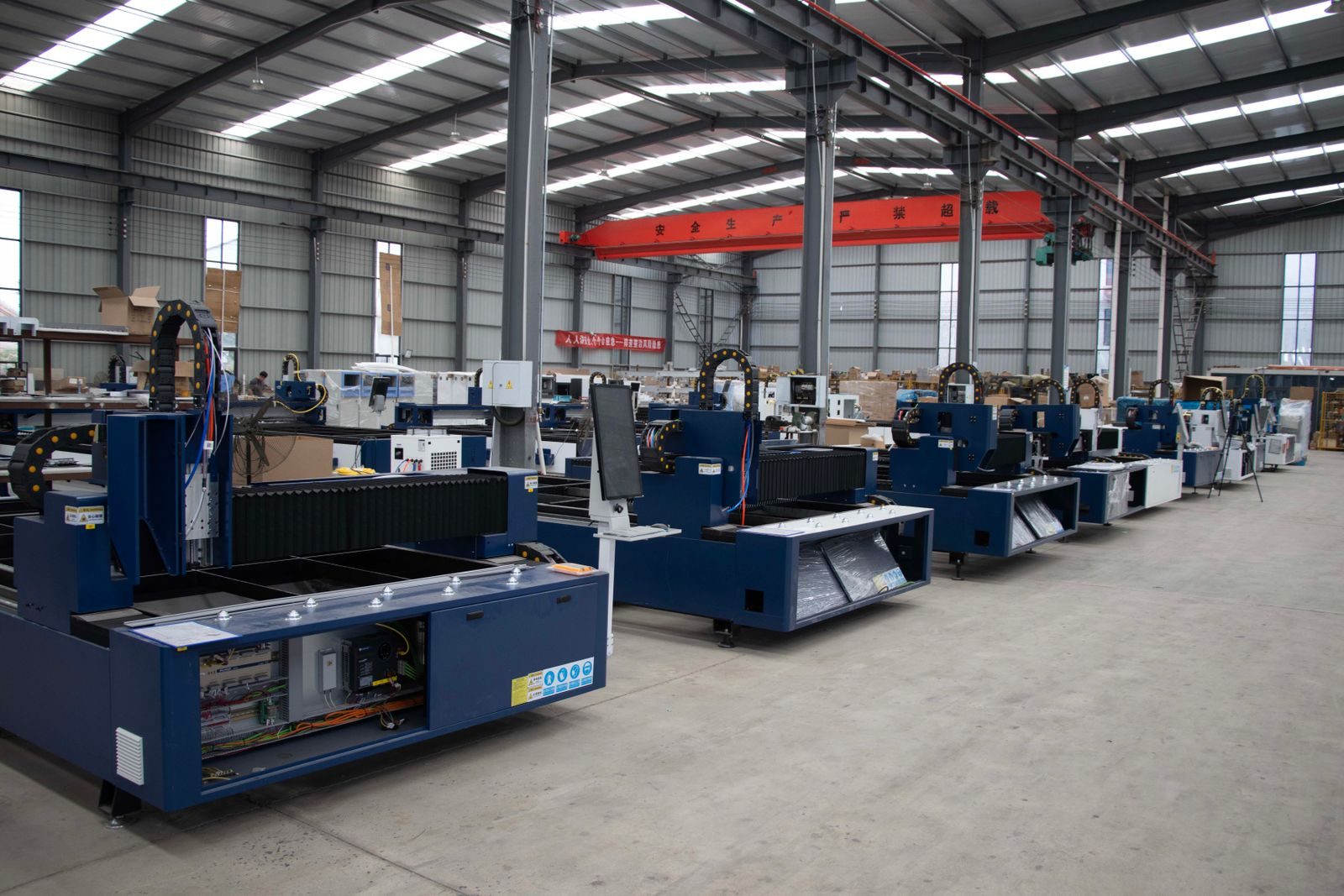
Setting up cost versus unit cost
Machining quotes usually separate one-off cost - programming, fixture and setup - from the unit price. That split is the most useful information in the document, because it tells you where the price goes and what happens at a different quantity.
A quote with a high setup and a low unit price improves as quantity rises; one with a low setup and a high unit price does not. Asking for prices at two or three quantities exposes this immediately and costs the supplier very little.
What a suspiciously low price usually means
The cheapest quote is often priced against a different scope: looser tolerance, no inspection report, a longer lead time, or material of uncertain origin. None of those are necessarily wrong, but they have to be a conscious choice.
Where a part carries load, seals, or goes into a regulated product, the material certificate and inspection record are part of the deliverable. Buying a price that excludes them is not a saving, it is a transfer of risk.
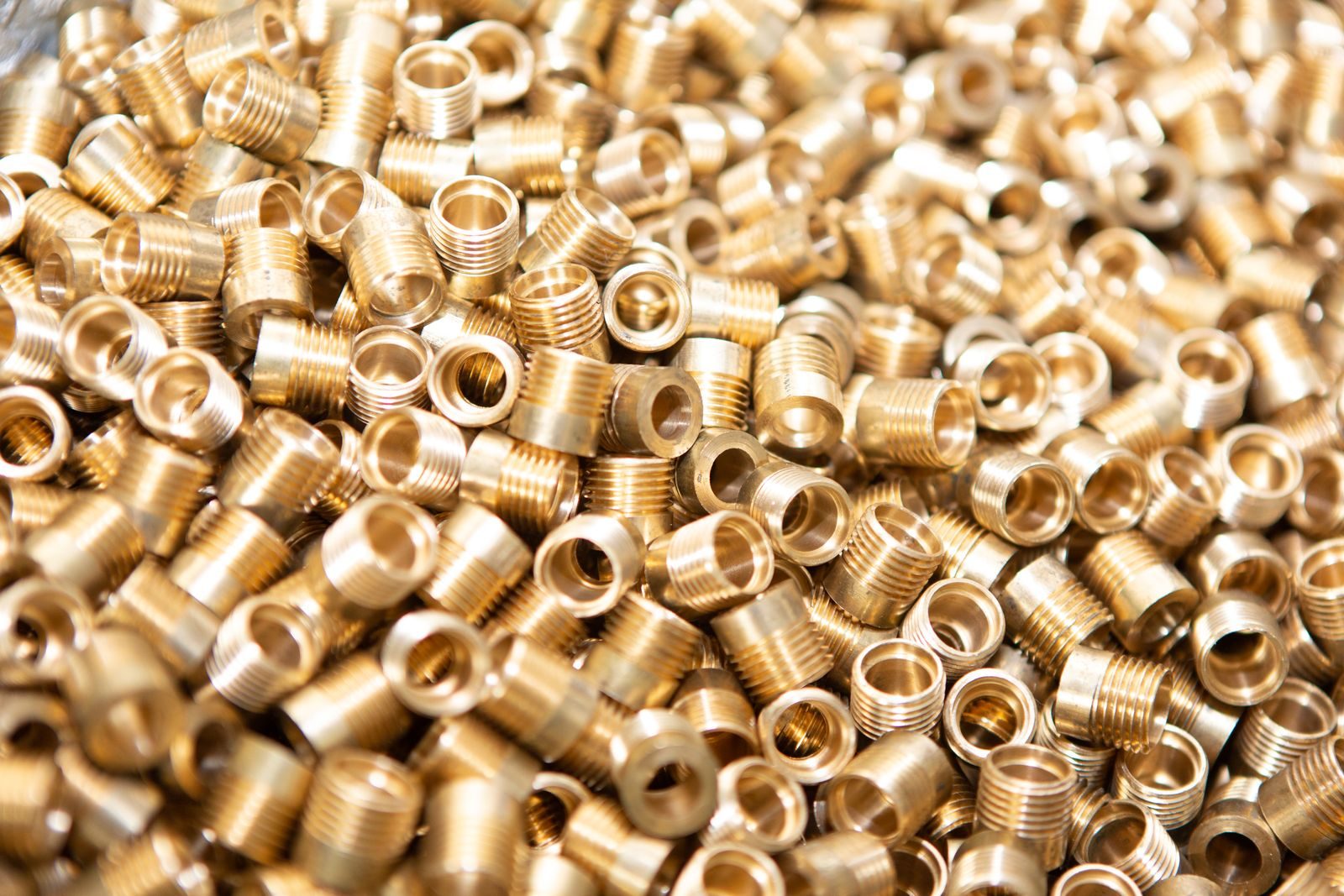
Comparing quotes without a like-for-like
The cleanest comparison is a written specification sent to every supplier: model, drawing, material, quantity, general tolerance, finish, inspection requirement and delivery date. Any supplier quoting against that specification is quoting the same part.
Where quotes still differ, ask what drives the difference. A competent shop will explain it - a different machining route, a different material source, or a different inspection plan. A shop that cannot explain its own price is a risk regardless of the number.
Lead time is part of the price
A quote that is two weeks slower is not cheaper if the delay costs you a launch date. Lead time should be quoted as a range with the assumptions stated, because material availability and heat treatment or finishing queues are the usual sources of slippage.
The useful question is not only how long, but what could extend it. Answers that name a specific risk - a material lead time, a subcontractor queue, an unusual tolerance - are a sign the supplier has actually planned the job.

The three numbers inside every price
A machining price is built from material, machine time and setup, plus whatever inspection and finishing the part needs. Material is usually bought to size with an allowance for holding and facing, so a part weighing 300 g may consume 800 g of bar. Machine time is the route multiplied by the removal rate, and setup is the one-off cost of making the first good part.
Understanding the split changes what you negotiate. If two thirds of the price is material, asking for a cheaper machining route will disappoint you - the lever is the material specification or the bought size. If most of the price is machine time, the lever is the tolerance and the number of setups, because both extend the route.
Why setup is quoted separately
Setup covers programming, fixturing, first-off checks and the adjustments between them. It does not scale with quantity, which is why the same part quoted at ten and at two hundred shows a very different unit price: the setup is spread across a different number of parts.
This is the clearest signal in a quote. A high setup with a low unit price is a job that wants volume. A low setup with a high unit price is a job priced for a handful of parts, where the shop has chosen a route that avoids tooling. Neither is wrong, but they suit different plans, and the mistake is ordering volume from the second or a prototype from the first.
What changes the unit price most
Four things move a unit price more than others: how many faces the part has to be presented on, how much material has to be removed, how tight the functional tolerances are, and how much inspection the drawing demands. Each extra setup adds a fixturing step, an alignment and a new source of positional error.
A part that can be machined from three sides with one fixture is dramatically cheaper than the same geometry split across five operations. This is why the most valuable question to a shop is not 'can you do it cheaper' but 'which feature is costing me the most'. A competent shop can answer that, and the answer is usually actionable on the model.
Reading lead time as a risk statement
Lead time is quoted as a promise, but it is really a summary of the risks the shop already knows about: material availability, heat treatment, coating subcontractors, and how busy the machines are. A quote that says 'two to three weeks, subject to 7075 plate availability' has told you where it might slip; one that says 'two weeks' with no qualifier has told you nothing.
Ask what could extend it and listen for specificity. An answer that names a grade, a finish queue or a subcontractor is a sign the job was planned. A vague answer usually means the date was estimated rather than built from the route.
Red flags in a cheap quote
A price far below the others usually means a different scope rather than better efficiency. The most common substitutions are a looser general tolerance, no material certificate, an inspection report replaced by a visual check, or a lead time that quietly assumes material is already on the shelf.
None of these is automatically wrong, but each has to be a conscious choice written into the purchase order. Where the part carries load, seals a fluid, or enters a regulated assembly, the certificate and the measured record are part of the deliverable. Excluding them does not lower the cost; it moves the risk to the customer.
Asking for prices that can be compared
The only reliable way to compare is to send an identical specification to every supplier: model and drawing at the same revision, material with a grade, quantity, general tolerance, finish specification, inspection requirement and required date. Anything less and the numbers are measuring the specifications, not the suppliers.
Where quotes still diverge, ask what drives the difference and expect a technical answer - a different machining route, a bought size, an inspection plan. A supplier who can explain the gap is telling you how they think. A supplier who cannot explain their own price is a risk whatever the number is.
What a re-quote is telling you
When a shop re-quotes after the design changes, compare the delta rather than the new total. A price that moves because a tight tolerance was relaxed tells you the tolerance was the cost driver. A price that barely moves when the quantity triples tells you setup is a small part of the job and the unit cost is dominated by material or machine time.
Reading the deltas is how a buyer learns the cost structure of their own part without ever seeing the shop's internal rates. Over two or three revisions the picture becomes clear enough to design for cost deliberately rather than hoping the next quote is kinder.
Why splitting a job can cost more
Splitting an order between two shops is sometimes used to keep a schedule, and it usually raises the total. Each shop carries its own setup, its own first-off checks and its own inspection, so the fixed cost is paid twice. Even when the unit prices match, the delivered cost per part does not.
The exception is a schedule that cannot otherwise be met, where the premium is effectively the price of time. In that case it is worth splitting by operation rather than by quantity - one shop doing the machining and another the finishing - so that the fixed setup cost is only duplicated where it has to be.
Setup is charged once, and it is not waste
The non-recurring part of a machining quote covers programming, fixture or vice-jaw preparation, tool setup and the first-article check. On a ten-off order that work is spread over ten parts and dominates the unit price. On a ten-thousand-off order the same work is spread so thinly it effectively disappears.
This is why the same part can quote at wildly different prices depending on quantity alone, and why pushing a quantity above a natural threshold - the point where a fixture becomes worth making, or where a second operation can be absorbed into the cycle - often drops the unit price more than negotiating the rate does.
What the assumptions are measured against
A quote is a set of assumptions about tolerance, finish and inspection, and each of those has a published reference. Tolerancing practice follows engineering tolerance conventions and ISO 2768 for unspecified dimensions. Where a quote claims a measurement capability, the claim is only meaningful against a calibration chain such as the one maintained by the UK National Physical Laboratory.
Frequently asked
Should I always take the lowest quote?
No. Compare the scope first: tolerance, inspection, certification, finish and lead time. A low quote against a looser scope is not comparable, and where the part is safety or regulation relevant, missing documentation is a cost that appears later.
Why do quotes for the same part vary so much?
Different machining routes, different material sources, different assumptions about tolerance and inspection, and different overhead structures. Asking the supplier to explain the difference is faster than trying to infer it from the number.
What should be fixed before requesting a quote?
Geometry, material, quantity and the functional tolerances. Finish and inspection can be discussed, but the closer the enquiry is to a final specification, the more comparable the quotes will be.