The alloy is a decision, not a default
Most machined aluminium parts are cut from whatever sits on the rack, which in practice is usually 6061-T6. That is a good default and it is not always the right answer, because the alloy and its temper together set how the material machines, how it takes a finish, how it behaves when welded, and how much it moves as material is removed.
Choosing the grade deliberately, and writing it on the drawing, is the difference between a part that anodises to a consistent finish and one that comes back blotchy, and between a thin wall that stays flat and one that warps after the clamps come off.
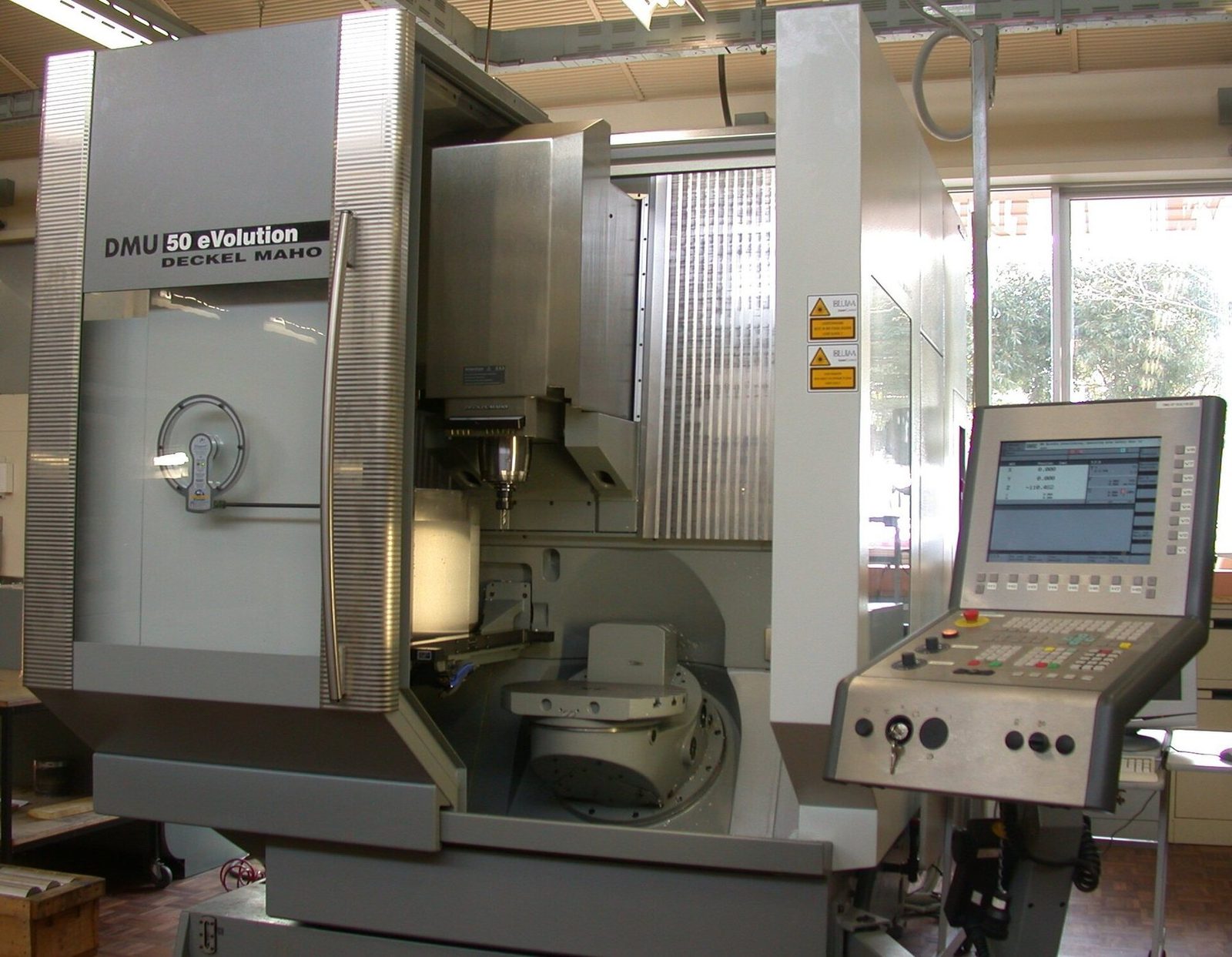
6061 and 6082: the general-purpose engineering alloys
6061, and its close European relative 6082, is the workhorse of machined aluminium. It has moderate strength, machines cleanly, welds well, anodises evenly and resists corrosion. Its cost is the lowest of the common engineering grades. For brackets, housings, plates, manifolds and general components it is almost always the sensible first choice.
The T6 temper is the usual supply condition: solution heat-treated and then artificially aged into a stable, reasonably hard state. It holds tolerance and produces a clean chip, which is why it dominates CNC work.
7075: high strength, and a harder material to work
7075 carries zinc as its main alloying addition and reaches strengths approaching some steels, which is why it appears in aerospace and high-load applications. The trade is a set of handling difficulties. It costs more, it machines to a gummier chip that demands different feeds and speeds, and its corrosion resistance is lower than 6061 unless the part is protected.
It also anodises less evenly, and the coating tends to read darker and less uniform than on 6061. Where a part needs maximum strength for its weight, 7075 earns its place. Where it needs a clean cosmetic finish, 6061 is usually the better answer, and the same geometry is cheaper in it.
Temper matters as much as the grade
The same alloy in a different temper is effectively a different material. A T6 condition is hard and dimensionally stable; an O (annealed) condition is soft and gummy and burrs at the edges; a T4 is naturally aged and sits between the two. A drawing that names the alloy but not the temper has specified half a material.
The choice shows up at both ends of the process. Soft temper is gentler on the tool but produces a burr-prone, easily marked surface. A fully hardened temper fights the cutter but yields a stable, crisp part. Where the part will be formed or bent after machining, the temper may be picked for formability rather than for machining, and that decision belongs before the stock is bought.
When aluminium is the wrong material
Aluminium is light and corrosion-resistant; it is not wear-resistant. A face that slides against another, a thread that will be assembled and disassembled, or a bore that oscillates will wear quickly in aluminium unless it is hard-anodised or fitted with a steel insert. Its stiffness is roughly a third that of steel, so a long, slender aluminium part deflects more than a steel one of the same section.
Those are the two questions that move a part off aluminium: does it wear, and does it need stiffness rather than lightness? Neither is answered by the alloy datasheet on its own.
Writing the alloy on the drawing
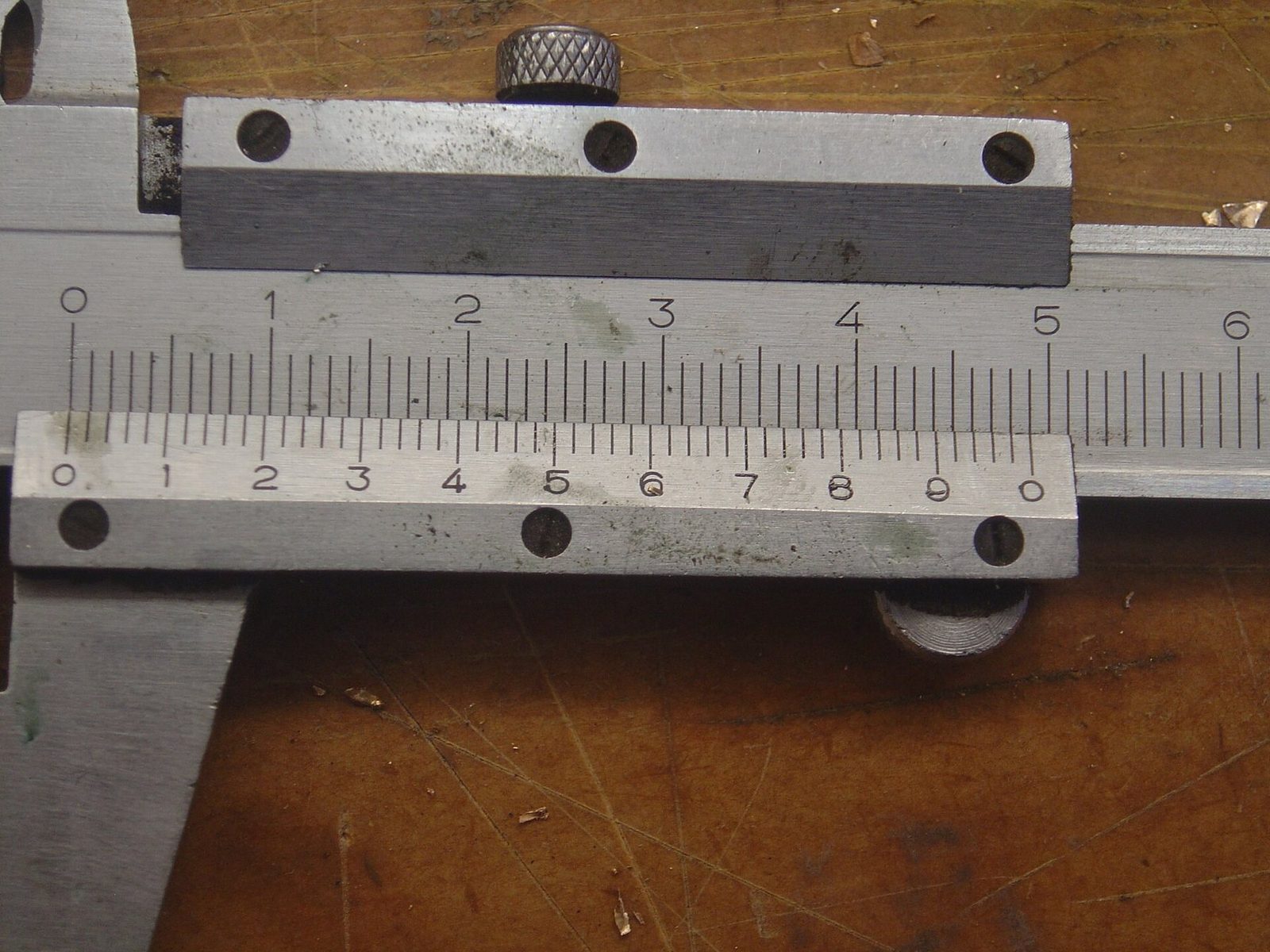
A complete callout names the alloy, the temper, the stock form - plate, bar or extrusion - and the standard it is bought to. '6061-T6 plate' is unambiguous; 'aluminium' is not. Where the part will be anodised, the finish specification sits next to it, because the coating's thickness and colour depend on the alloy and the temper as well as on the process.
The most commonly omitted item is the form. Plate, extruded bar and cast stock of the same alloy have different grain structures and different locked-in stress, and a part hogged out of stressed plate can move once the material is unbalanced. Naming the form lets the shop buy stock that will not distort.
References
The common aluminium alloy families and their designations are described under aluminium alloy, with the workhorse grade set out in detail under 6061 aluminium alloy. The coating that most machined parts receive is described under anodising, and the property that decides how the material behaves under the cutter under hardness. Material and test standards are published by ASTM International, and the traceability framework behind the measurements by the US National Institute of Standards and Technology.
Frequently asked
Is 6061-T6 good enough for most machined parts?
For the majority of general engineering parts, yes. It machines cleanly, holds tolerance, anodises evenly and costs less than the high-strength grades. Reach for 7075 or a steel only when a specific load, wear or stiffness requirement rules 6061 out.
When should I choose 7075 over 6061?
When strength for weight is the governing requirement, as in highly loaded aerospace or sporting components. Accept that it costs more, machines less freely, corrodes more readily if unprotected and anodises less uniformly. If none of those sacrifices buys anything the part needs, 6061 is the better call.
Does the alloy change how a part anodises?
Yes. Alloy and temper affect coating thickness, colour consistency and how evenly the finish takes. If a part has a cosmetic requirement, the finish specification and the alloy should be decided together rather than one after the other.