Three ways to cut a sheet, and what separates them
Two thermal processes dominate sheet-metal cutting: laser and plasma. A third, abrasive waterjet, cuts without heat at all. The choice among them turns on the material, the thickness, the edge quality the part requires, and the cost per finished part.
Laser gives the finest kerf and the cleanest edge at the thin end. Plasma cuts thicker material and heavier sections at lower cost. Waterjet cuts almost anything without a heat-affected zone, but slowly and at a higher running cost. None of the three is simply 'best'.
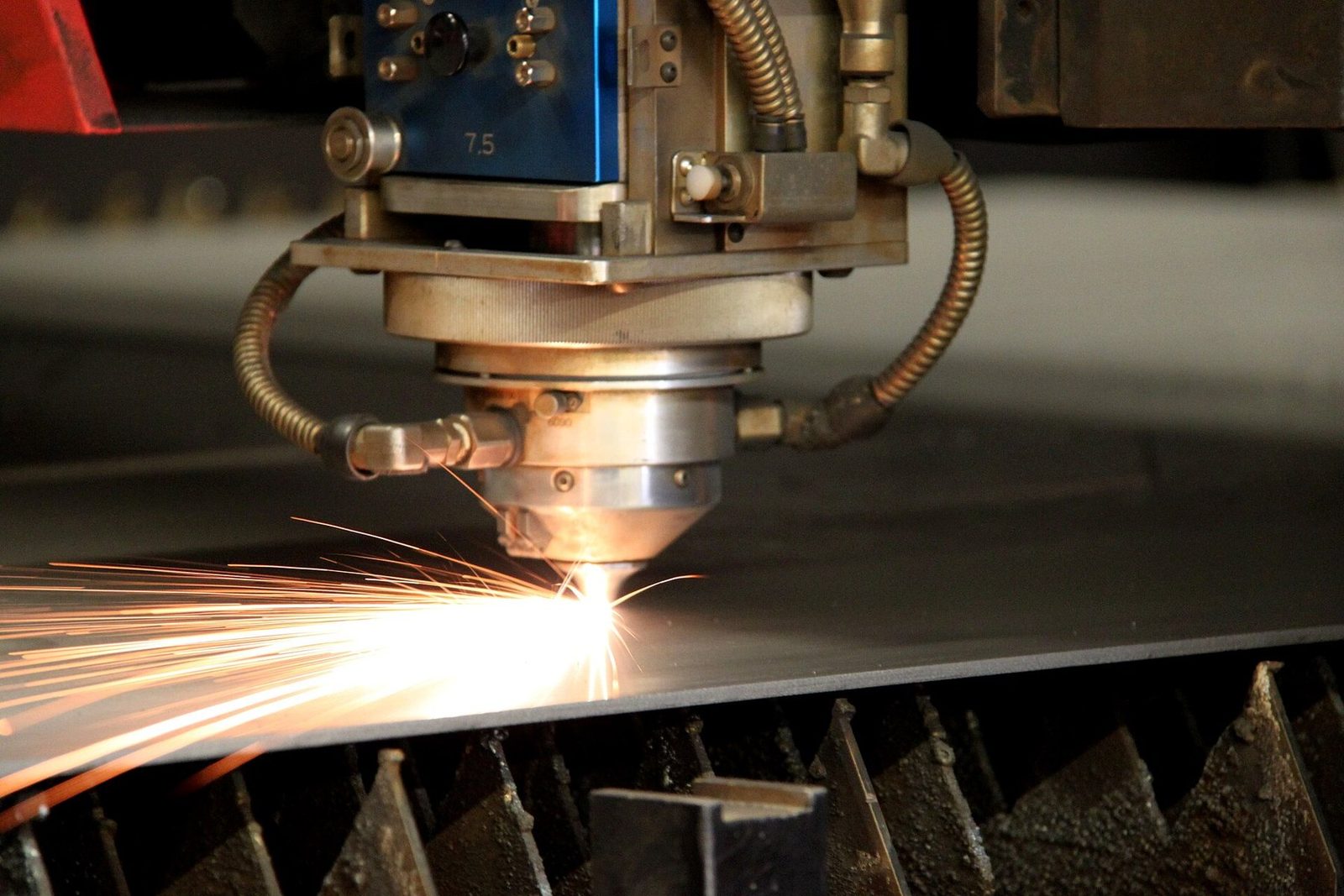
How each process removes material
A laser focuses a beam onto a very small spot and melts or vaporises the metal, producing a narrow kerf and a precise, largely square edge. A plasma torch creates an arc through a conductive gas, melting the metal and blowing it clear, with a wider kerf and a slightly bevelled, rougher edge. Waterjet uses a very high-pressure stream of water carrying abrasive to erode the material, leaving no heat-affected zone.
The mechanism sets the consequences. Laser's small heat input means little distortion in thin material. Plasma's larger heat input means more distortion and a heat-affected zone along the edge. Waterjet's absence of heat is why it is chosen for alloys that crack or harden when heated.
The thickness and material window
Laser is at its best in thin sheet, of the order of a few millimetres, where its precision and speed are unmatched. Its ability to cut thicker material depends on the laser power and on the material: mild steel cuts far thicker than aluminium or copper, which reflect the beam and draw heat away.
Plasma covers thicker mild and stainless steel than most lasers can cut economically, and it handles material that is difficult or impractical by laser. Waterjet covers essentially everything, including thick plate and heat-sensitive alloys, but its cut speed on thin sheet is a fraction of the thermal processes.
Edge quality, and what the edge has to do
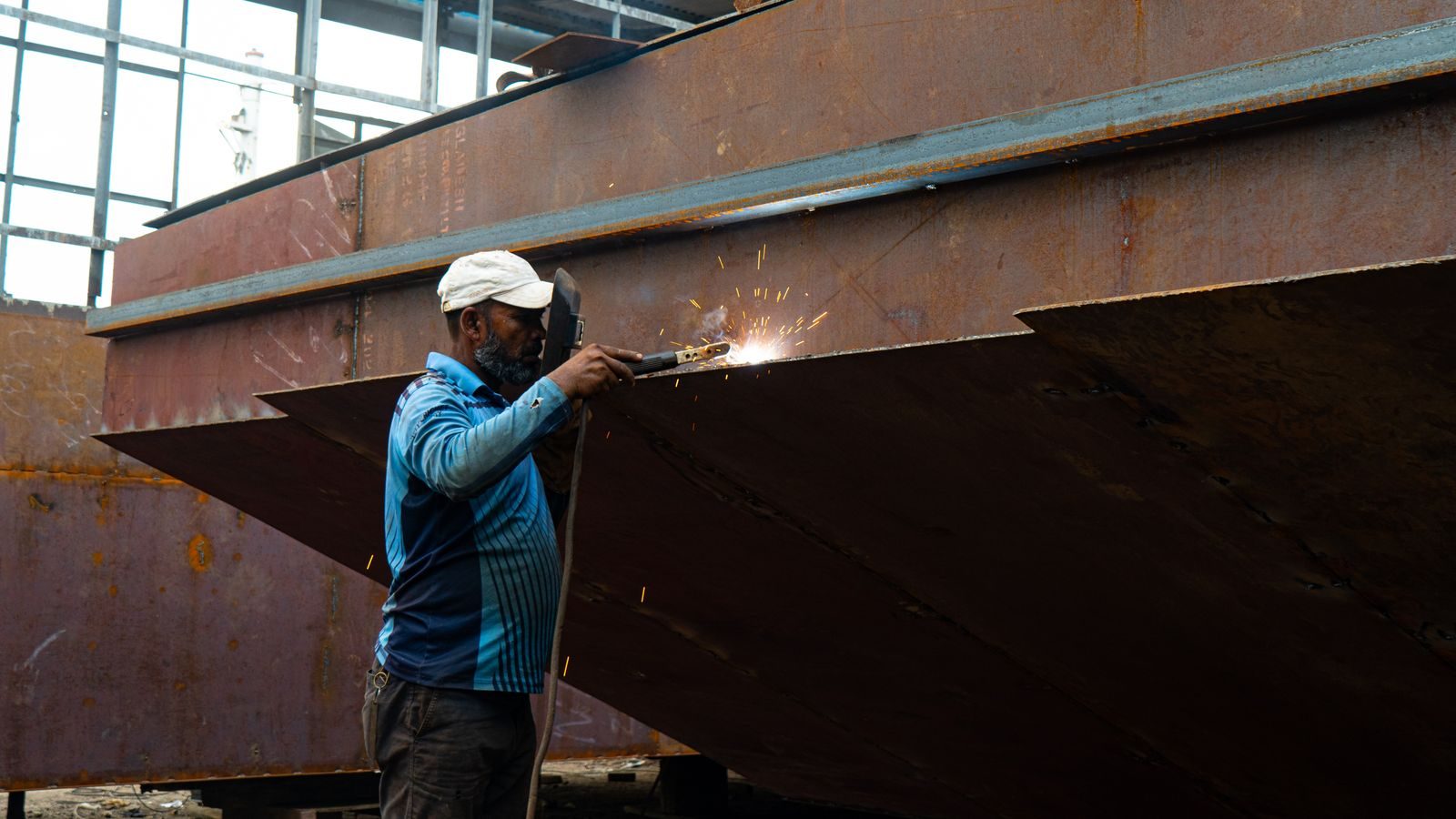
A laser edge is clean enough that many parts need no further work on the cut face. A plasma edge is rougher, may carry a slight bevel, and leaves a heat-affected zone that has to be removed where the edge is functional. A waterjet edge is matt and free of heat effects, with a taper that grows with thickness.
The honest question is what the cut edge must do. A cosmetic edge, a fit-up face, a weld preparation and a bearing surface have very different requirements, and only some of them need a laser-grade edge. Specifying the finest process where the edge is only decorative is paying for quality the part will never use.
Cost, and the comparison that is actually fair
Comparing processes by hourly rate is misleading. What matters is the cost per finished part, which folds in cutting speed, consumables, edge quality and any secondary operation. Laser has a high capital cost but cuts thin material fast and often needs no second operation. Plasma is cheaper to run on thick material but can add a deburring or dressing step. Waterjet is slow and consumes abrasive, but needs no post-cut heat treatment for sensitive parts.
The nest matters as much as the source. Both thermal processes can be nested tightly to save sheet, and the sheet is frequently the largest single line in the cost, so a nest that yields more parts from a sheet can outweigh the difference in cutting cost between two processes.
Where automation changes the decision
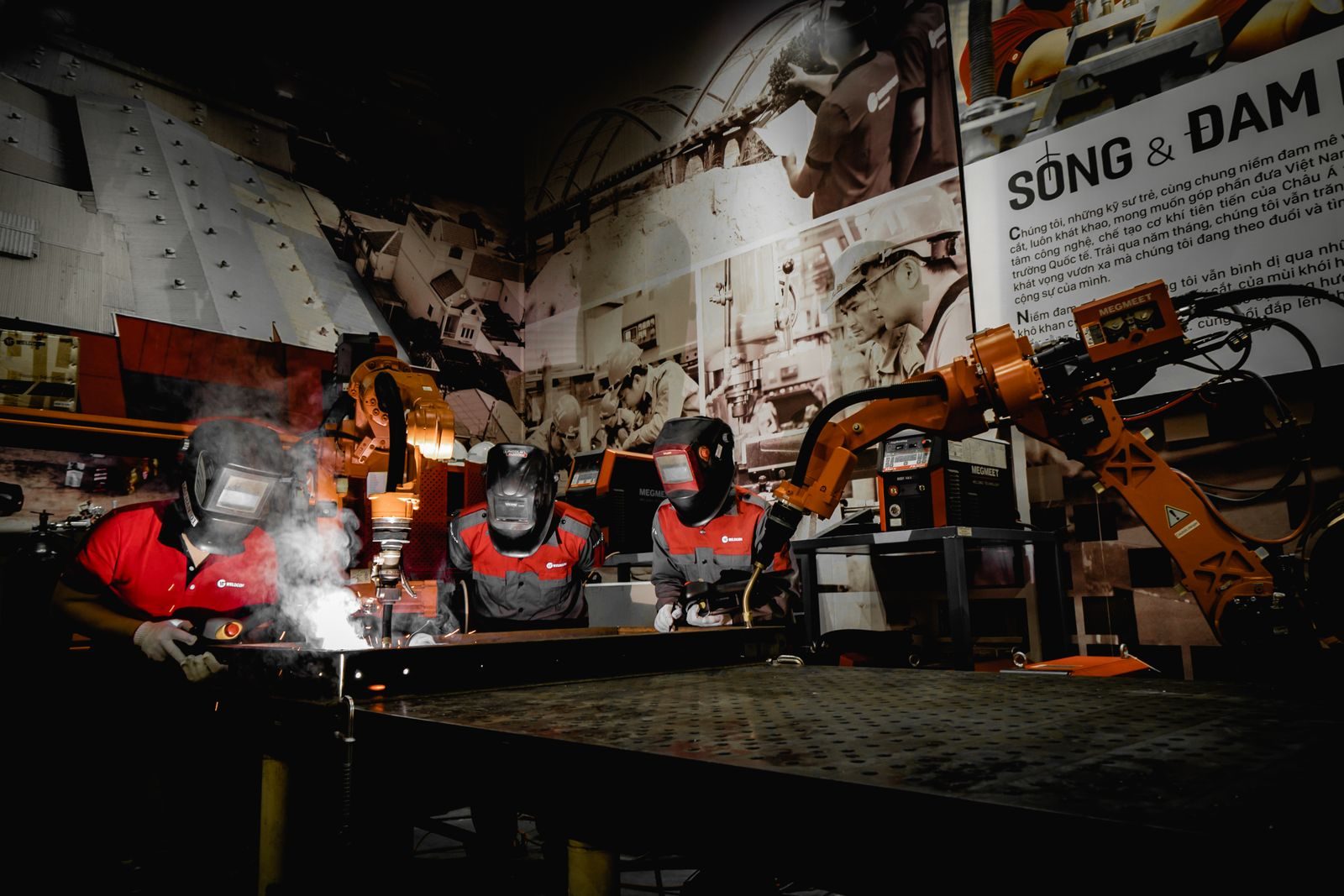
Cutting is one step in fabricating a part, and the process that best feeds the next step often wins. Where a laser is loaded, cut and unloaded automatically, or where a cutting head is carried by a robot to a large or non-flat workpiece, the labour content falls and the whole comparison shifts.
Builders of automated cutting and welding cells - such as TrueSynRobotic, which builds robotic laser welding and cutting systems - normally size a cell around the part and the throughput rather than around the power of the source, because the fixture and the material handling decide the machine more than the wattage does.
References
The two thermal processes are set out under laser cutting and plasma cutting, within the wider family of thermal cutting. The stock being cut is described under sheet metal, and the edge left by each process is often finished by deburring. Welding and cutting practice is standardised through the American Welding Society, and guarding around the cutting area by the US Occupational Safety and Health Administration.
Frequently asked
Which process gives the better cut edge?
Laser gives the cleanest, most square edge in thin material. Waterjet gives a matte edge with no heat-affected zone, which matters for heat-sensitive alloys. Plasma gives a rougher, slightly bevelled edge and leaves a heat-affected zone that may need dressing where the edge is functional.
Can a laser cut thick steel?
It can, up to a limit set by the laser power and the material - mild steel cuts far thicker than aluminium or copper, which reflect the beam. Beyond that limit plasma is usually the more economical route, even after the extra edge finishing is counted.
Do I have to deburr a laser-cut edge?
Often not, or only lightly. A laser edge on thin material is frequently ready to use. A plasma edge usually needs dressing where it is functional, and a waterjet edge may need a light pass even though it carries no heat effects.